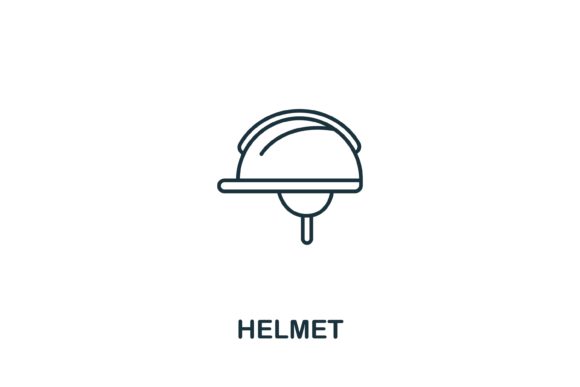
Helmet Icon from Work Safety Collection: A Symbol for Modern Design and Safety Communication
In today’s visually driven digital landscape, the helmet icon from work safety collection has emerged as a crucial design element for professionals across industries. Whether used in templates, web design, or infographics, this simple line element conveys a clear, recognizable message of safety and protection. As businesses and creators continue to prioritize clarity and visual storytelling, the helmet icon has become more than just a graphic—it’s a tool for effective communication.
Why the Helmet Icon Matters in Design and Branding
The helmet icon from work safety collection is not just an aesthetic choice; it serves a functional purpose. In safety-related content, the icon acts as a visual cue that immediately signals caution, responsibility, and preparedness. This makes it especially valuable in corporate training materials, occupational health websites, and public safety campaigns.
Designers appreciate its clean, minimalist structure, which allows it to blend seamlessly into a wide variety of layouts. Whether used in a mobile app interface or a downloadable PDF guide, the helmet icon maintains its legibility and impact. Its versatility is further enhanced by the availability of both EPS and JPG formats, making it easy to scale and adapt for different platforms.
Adapting to Modern Workflows and Design Trends
As digital design tools evolve, so do the expectations of users and clients. Today’s professionals demand assets that are not only visually appealing but also easy to edit and integrate into existing workflows. The helmet icon from work safety collection meets these demands by offering a high degree of flexibility. Designers can tweak colors, resize elements, or combine the icon with other graphics without compromising quality.
This adaptability aligns well with the current shift toward modular and reusable design components. In industries such as construction, logistics, and manufacturing, where safety compliance is critical, having a consistent visual language across digital and print materials helps reinforce brand identity and messaging.
The Evolution of Safety Icons in Digital Communication
Icons have long played a role in public safety, from road signs to emergency exit indicators. However, the rise of digital platforms has expanded the use of safety-related symbols beyond physical spaces. The helmet icon from work safety collection is part of this evolution, serving as a bridge between traditional safety signage and modern digital communication.
As remote work and digital collaboration become more common, companies are increasingly using icons to streamline training materials and internal communications. The helmet icon, in particular, is often used to represent personal protective equipment (PPE) in safety checklists, hazard alerts, and compliance infographics. Its widespread recognition makes it a reliable choice for designers aiming to convey important messages quickly and clearly.
Practical Uses for the Helmet Icon Across Industries
From website navigation to mobile app interfaces, the helmet icon from work safety collection has a broad range of applications. Here are a few practical examples of how it can be used effectively:
- Corporate Training Modules: Use the helmet icon to highlight safety protocols or required gear in online training courses.
- Construction and Manufacturing Websites: Incorporate the icon into service pages to visually represent safety compliance and worker protection.
- Mobile Safety Apps: Utilize the icon as a navigational element to guide users through hazard reporting or emergency procedures.
- Infographics and Presentations: Pair the helmet icon with statistics or safety tips to enhance visual storytelling in reports and slide decks.
Because it is available in both EPS and JPG formats, the icon can be easily edited and resized for both high-resolution print and responsive web design. This ensures consistency across all platforms and maintains visual clarity regardless of context.
How to Integrate the Helmet Icon into Your Design Workflow
For designers and developers, integrating the helmet icon from work safety collection into a project is straightforward. Here are a few best practices to consider:
- Match Your Brand Colors: Use vector editing tools to recolor the icon to align with your brand’s visual identity.
- Ensure Scalability: Since EPS files are vector-based, they are ideal for logos, banners, and illustrations that require resizing without quality loss.
- Optimize for Web: Convert the icon to JPG format for use on websites where file size and load speed are important considerations.
- Combine with Other Icons: Create cohesive icon sets by pairing the helmet icon with other safety or industry-specific symbols.
By following these guidelines, professionals can ensure that the helmet icon enhances both the aesthetics and functionality of their digital or print materials.
Meeting the Demands of a Visual-First Audience
Today’s users expect content that is not only informative but also visually engaging. The helmet icon from work safety collection supports this expectation by offering a clean, recognizable symbol that communicates safety and professionalism. In a world where attention spans are short and visual literacy is growing, icons like this one help break down complex ideas into digestible, memorable visuals.
This is especially important in safety education and awareness campaigns, where clarity and immediacy are key. Whether used in a workplace poster or a digital infographic, the helmet icon serves as a quick visual reminder of the importance of head protection and overall safety compliance.
Looking Ahead: The Future of Safety Icons in Design
As design tools become more accessible and user-friendly, the use of standardized icons like the helmet icon from work safety collection is likely to grow. More businesses are recognizing the value of consistent visual language across their digital and printed assets. In turn, designers are looking for high-quality, adaptable icons that can be used across a variety of platforms with minimal effort.
Going forward, we can expect to see more integration of such icons into design systems and UI libraries, especially in industries where safety and compliance are central themes. The continued emphasis on digital accessibility and inclusive design will also shape how these icons are used, ensuring they remain relevant and effective for a diverse audience.